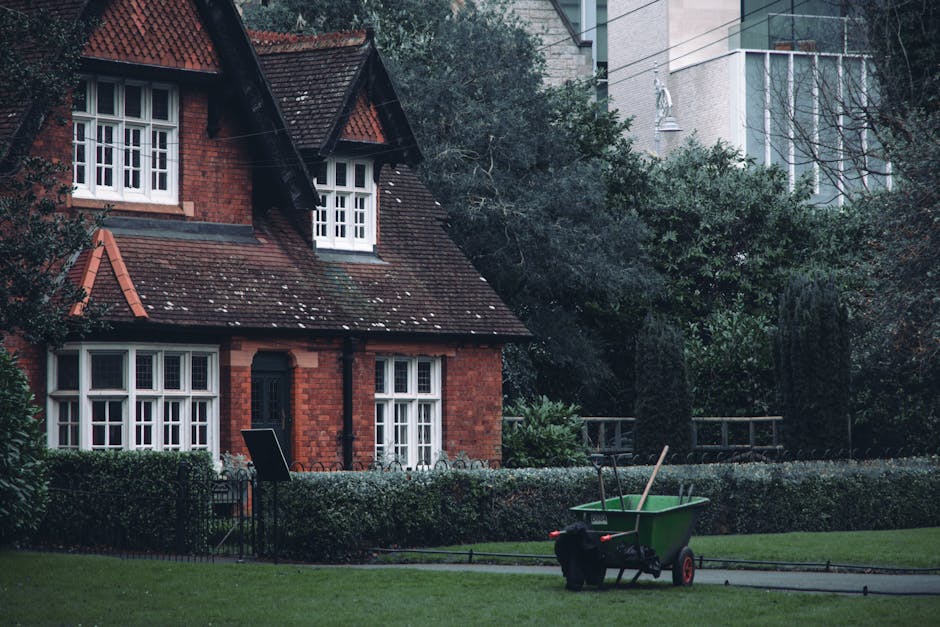
Real cost of garden maintenance in Church End explained
If you have ever looked at an untidy border, a hedge that seems to grow overnight, or a lawn that has gone patchy after one wet week and thought, "What is this actually going to cost me?" you are not alone. The real cost of garden maintenance in Church End explained is not just about a single price tag. It depends on the size of the garden, the work needed, how often you want it done, and whether the job is light tidying or a proper reset.
In Church End, many gardens need a bit of everything: mowing, hedge trimming, weeding, pruning, leaf clearance, patio cleaning, and the occasional rescue mission for a neglected corner. That mix can make quoting feel confusing. This guide breaks the cost down in plain English, so you can judge value properly, avoid nasty surprises, and decide what kind of service actually suits your garden and budget.
To make it easier to navigate, the article also links out to a few useful service and advice pages from the same site where relevant, including garden maintenance support and the broader gardening services offering.
Table of Contents
- Why the real cost matters
- How garden maintenance pricing usually works
- Key benefits and practical advantages
- Who this is for and when it makes sense
- Step-by-step guidance
- Expert tips for better results
- Common mistakes to avoid
- Tools, resources and recommendations
- Law, compliance, standards and best practice
- Options, methods and comparison table
- Case study or real-world example
- Practical checklist
- Conclusion
- Frequently asked questions
Why Real cost of garden maintenance in Church End explained Matters
Let's face it: garden maintenance is one of those household costs that can be easy to underestimate. A garden looks simple from the kitchen window. Then spring arrives, the hedge shoots up, the lawn thickens, weeds appear in the cracks, and suddenly a "quick tidy" is not quick at all.
Understanding the real cost matters because it helps you make better choices. If you know what drives the price, you can decide whether to book one-off help, set up regular visits, or handle some tasks yourself and leave the tricky bits to a professional. That saves money, but also time and a fair bit of frustration.
In Church End, the cost question is often tied to the character of the garden itself. Some homes have compact outdoor spaces that only need light monthly care. Others have older gardens with mature hedges, uneven lawns, thick planting beds, or tired features that need more time and equipment. Those are very different jobs, and they should not be priced as if they are the same.
There is also a value angle. Regular maintenance can reduce bigger repair costs later. A neglected hedge can become harder to trim. A lawn left too long can thin out. Weeds that are ignored for a season can become a proper nuisance. Small, steady work tends to be cheaper than dramatic catch-up work. Not always. But usually, yes.
For readers comparing maintenance with occasional specialist help, it can also be useful to look at related services such as lawn mowing, lawn care, and hedge trimming in Church End.
How Real cost of garden maintenance in Church End explained Works
Garden maintenance pricing is usually built from a few simple ingredients: labour time, garden condition, tools and waste handling, frequency of visits, and the complexity of the work. Once you know those parts, the quote starts to make sense.
1. Labour is the main driver
Most of the cost comes from the time needed on site. A tidy front garden with a small lawn will take much less time than a back garden with layered beds, overgrown shrubs, and a narrow access route through the house. Time is money, as the saying goes, and in gardening that old saying is painfully accurate.
2. Condition changes the price more than people expect
A well-kept garden is cheaper to maintain than a neglected one. If weeds have already seeded, shrubs have become woody, or the lawn needs scarifying before mowing, the job becomes slower and more involved. A "routine visit" price and a "recovery visit" price are rarely the same.
3. Frequency can reduce the overall burden
Weekly or fortnightly maintenance often works out more predictably than one huge seasonal clear-up. You may pay more often, but each visit is smaller and easier to plan around. For many households, regular visits also keep the garden looking better with less stress.
4. Materials and disposal can be extra
If cuttings, green waste, or old soil need to be removed, the cost can rise. The same goes for jobs that need fresh mulch, compost, or replacement plants. If you are budgeting tightly, always ask what is included and what is not. It sounds obvious, but people miss this all the time.
5. Access affects efficiency
Side access, parking, storage space for tools, and how easy it is to move waste out of the garden can all affect the amount of time required. A simple garden with awkward access can take longer than a larger but more open one.
As a rough planning principle, think in terms of maintenance intensity. Light maintenance is faster and more predictable. Heavy maintenance often means more labour, more tools, and more waste management. The price follows the work, not just the square footage.
Key Benefits and Practical Advantages
Paying for professional garden maintenance is not just about having a neat space for Saturday coffee. There are practical benefits that add up over time, especially in an area where weather, shade, and rapid seasonal growth can all nudge a garden out of shape quite quickly.
- Less long-term repair work: Regular care helps prevent lawns, hedges, and beds from falling into expensive decline.
- Better kerb appeal: A tidy front garden can make the whole property feel calmer and more cared for.
- More usable outdoor space: You are more likely to sit out, eat outside, or let children play when the garden is under control.
- Safer surfaces: Clear paths and managed growth reduce trip hazards and blocked sightlines.
- Seasonal resilience: Well-managed plants and lawns generally cope better with wind, heavy rain, and dry spells.
There is also a less obvious advantage: peace of mind. People often underestimate how much mental energy an untidy garden can absorb. You keep seeing the same overgrown corner. It nags at you. You feel guilty, then put it off. A maintenance plan ends that loop.
If your garden tends to flood with weeds or get overrun in a hurry, it may help to read the practical advice in these weed-control tips and the guide on keeping your garden healthy on a budget.
Who This Is For and When It Makes Sense
Professional garden maintenance makes sense for more people than you might think. It is not only for busy professionals or large homes. In Church End, it often suits families, older homeowners, landlords, and anyone whose garden has got a bit ahead of them.
You may benefit if:
- your garden needs regular mowing and edging but you do not have the time
- hedges are getting too tall or too wide for easy DIY trimming
- you have a property you are preparing for sale or rental
- the garden has become neglected and needs a reset
- you want the garden to look good without spending every weekend on it
It also makes sense if you simply dislike the physical effort. There is no shame in that. Not everyone enjoys hauling bags of clippings in damp weather while the kettle cools inside. To be fair, who does?
Some gardens need specialist support rather than general tidying. For example, you might need tree surgery if branches are unsafe or blocking light, or fencing work if boundary panels have started to fail. If the whole outdoor space feels dated or awkward, then landscaping may be more suitable than simple maintenance alone.
Step-by-Step Guidance
If you want to estimate the real cost properly, use a simple step-by-step process rather than guessing from a single old quote or a vague online figure. A five-minute plan can save a lot of wasted back-and-forth.
- Walk the garden slowly. Look at lawns, borders, hedges, paths, and any clutter or dead growth.
- Separate routine work from one-off work. Routine work might be mowing and weeding. One-off work might be cutting back overgrowth or reclaiming a neglected bed.
- Note access issues. Narrow side passages, locked gates, or difficult waste removal all matter.
- Decide frequency. Weekly, fortnightly, monthly, seasonal, or a one-off clean-up will all affect the cost structure.
- List any extras. Waste removal, hedge reduction, pruning, pressure cleaning, planting, or supply of materials should be checked in advance.
- Ask for a clear written quote. A proper quote should show what is included and what is optional.
That process is especially useful if the garden has been ignored for a while. A neglected plot can hide time-consuming work under the obvious mess. For those situations, a guide like reviving neglected gardens can be a helpful starting point.
Here is the honest bit: once you break the job into pieces, the cost often looks less mysterious. And if it still looks high, at least you know why. That is a much better position than getting a surprise bill and wondering what on earth happened.
Expert Tips for Better Results
Most gardens cost less to maintain well than to rescue badly. Sounds obvious, but people still leave things until they become bigger problems. A few small habits can keep the bill manageable.
- Keep hedges in shape early. Smaller trims are easier than full reductions. Mature hedges can become a proper task if left too long.
- Stay on top of weeds before they seed. One missed month can become three months of regret.
- Choose lower-maintenance planting where suitable. Ground-cover and hardy structure plants can reduce labour over time.
- Mulch beds after clearing. This helps hold moisture and suppress weeds.
- Book before peak periods where possible. Spring and early summer are often busier, so planning ahead helps.
If your garden has awkward shade, evergreens or climbers can soften problem areas without adding huge amounts of upkeep. The articles on evergreen climbers for shade and ground cover plants are useful if you want beauty without constant maintenance.
One more practical tip: ask yourself whether you are paying for perfection or for control. Those are not the same thing. A well-managed garden is not always pristine, but it should feel intentional, tidy, and easy to live with.
Common Mistakes to Avoid
Budgeting for garden maintenance goes wrong in predictable ways. Most of them are avoidable if you know what to look for.
Assuming all gardens cost the same
A tiny garden can still be expensive if it is heavily overgrown, full of mature shrubs, or awkward to access. Likewise, a larger garden can be relatively straightforward if it is open, level, and already in decent condition.
Forgetting waste removal
Cuttings, bags, and green waste disposal can change the final figure quite a bit. Always ask whether the quote includes clearance. If not, you may get a cheaper headline number that grows later.
Ignoring seasonal changes
What looks tidy in winter may need twice the work in late spring. Growth cycles matter. So does weather. A windy, wet stretch can leave lawns and beds looking rough faster than expected.
Choosing the cheapest quote without checking scope
The lowest price is not always the best value. Sometimes it leaves out essential tasks like edging, pruning, or tidy-up. A slightly higher quote that covers the full job may be better overall.
Letting maintenance drift too long
This one is the classic. The longer you wait, the more expensive the catch-up becomes. A little regular care usually beats a huge one-off recovery job. Usually.
Tools, Resources and Recommendations
Good maintenance is partly about skill and partly about using the right tools for the job. You do not need a shed full of specialist gear, but you do need a sensible setup if you are doing some tasks yourself and outsourcing the rest.
For homeowners, the most useful basics are usually a decent mower, shears, gloves, secateurs, a rake, and a strong garden sack or bin system. If you are handling your own tidying between visits, reliable kit makes the work faster and less annoying. No one enjoys a blunt pair of secateurs. Nobody.
For a broader overview of practical upkeep, the site's essential gardening tips page is a sensible companion read, and if you are trying to spend less without losing garden quality, the article on low-maintenance garden ideas on a budget is worth your time.
Other useful resources on the site include:
- hedge-trimming techniques for keeping growth manageable
- organic soil improvement ideas for better plant health
- garden resilience advice for harsher conditions
- wind protection guidance for exposed plots
Law, Compliance, Standards and Best Practice
For most domestic garden maintenance, the big compliance concerns are practical rather than legal drama. Still, good providers should work safely, handle waste responsibly, and treat your property with care.
Here are the main best-practice points to look for:
- Clear safety habits: Tools should be used properly, paths should be kept clear, and work should not create avoidable hazards.
- Insurance awareness: Reputable providers should be able to explain how they manage risk and protect both staff and property. A sensible place to look for reassurance is the site's insurance and safety information.
- Waste handling: Green waste should be managed in a tidy, lawful, and environmentally sensible way.
- Fair terms: Pricing, payment timing, and cancellation expectations should be understandable before work starts. The relevant pages on terms and conditions and payment and security are worth reading if you want clarity.
- Complaint process: A proper business should have a process if something goes wrong. That is basic professionalism, really.
If you are comparing providers, it also helps to check whether they publish transparent information about pricing and quotes, their health and safety policy, and who they are via the about us page. That kind of transparency is not flashy, but it matters.
One small note: if you ever see a quote that feels vague to the point of being slippery, pause. Ask for the scope in writing. That is not being difficult. That is being sensible.
Options, Methods, or Comparison Table
Different maintenance approaches suit different gardens. The right choice depends on your budget, how much time you have, and how fussy you want the finish to be.
| Approach | Best for | Typical pros | Typical drawbacks |
|---|---|---|---|
| DIY only | Small, simple gardens with low growth | Lowest cash outlay, full control | Time-consuming, easy to fall behind, can become physically demanding |
| Occasional one-off help | Seasonal clear-ups or catch-up jobs | Useful for recovery work, flexible | Less predictable, a neglected garden can still drift between visits |
| Regular maintenance visits | Busy households, front gardens, value-focused owners | Consistent appearance, easier budgeting | Ongoing cost, needs trust and scheduling |
| Specialist support only | Hedges, trees, heavy overgrowth, hard landscaping issues | Good for complex jobs and safety-related tasks | Not a complete upkeep solution on its own |
For many homes, the smartest answer is a mix. Perhaps you mow lightly yourself, but book hedge trimming or a seasonal refresh when needed. Or maybe you handle the planting and let a professional keep the structure tidy. There is no prize for doing it all the hard way.
Case Study or Real-World Example
Picture a typical Church End garden after a wet, busy few months. The lawn has not been cut for a while, the hedge is spilling into the path, the patio has a film of dirt and leaf stain, and the back border has gone from "lush" to "slightly wild" in a way that no one planned.
The owner originally thought it would just need one tidy-up. Once the garden was assessed properly, it became clear the job was more layered: mowing, hedge reduction, border weeding, light pruning, and patio cleaning. The first quote looked more expensive than expected, but it made sense once the scope was broken down. The work was done in stages, and the garden became easier to keep on top of after that.
What changed the cost most was not the size of the plot. It was the condition. A garden in fair shape can be maintained efficiently. A garden that has slipped needs more time, more disposal, and more careful cutting back. That is the key lesson. Cost follows condition, not just square metres.
In situations like this, a maintenance plan often beats repeated panic bookings. If the garden has features like a long hedge line or weathered paving, related services such as patio cleaning can make the whole space feel transformed without a complete redesign.
Practical Checklist
Use this checklist before you request a quote or book maintenance. It keeps the conversation grounded and helps you compare offers properly.
- Measure or estimate the garden size
- List the main jobs needed: mowing, weeding, trimming, pruning, clearing, cleaning
- Note any overgrown, unsafe, or hard-to-reach areas
- Decide whether you want one-off help or regular visits
- Check whether waste removal is included
- Ask what tools, materials, or plant replacements are extra
- Confirm how often visits would be needed in peak growing season
- Ask about safety, insurance, and payment terms
- Compare scope as well as price
- Think about the next three months, not just this week
If you want a straightforward next step, a short conversation with a local provider can clear up a surprising amount. You do not need to have every detail perfect before you ask. A good quote process should help you shape the work, not confuse you further.
Get a free quote today and see how much you can save.
Conclusion
The real cost of garden maintenance in Church End comes down to a few practical truths: the condition of the garden, the type of work involved, how often the garden needs attention, and whether you want general upkeep or specialist help. Once those pieces are clear, pricing becomes much less mysterious.
The smartest approach is usually to think in terms of value, not just the lowest number. A reliable maintenance plan can keep your garden looking better, prevent bigger jobs later, and give you back your weekends. And honestly, that can be worth just as much as the tidy lawn you end up staring at from the back door.
If the garden has been nagging at you for a while, start small. Get a proper assessment, ask clear questions, and build from there. A better outdoor space rarely appears overnight, but with the right care it does become easier, calmer, and more enjoyable. Bit by bit, that space can feel like yours again.
Frequently Asked Questions
How much does garden maintenance usually cost in Church End?
It depends on the garden size, condition, and the work needed. A small tidy garden costs less than a neglected plot with hedges, weeds, and waste to remove. The safest way to know is to request a written quote based on the actual job.
What makes a garden maintenance quote more expensive?
Overgrowth, poor access, waste removal, hedge reduction, pruning, and seasonal catch-up work can all push the price up. The more labour and disposal involved, the more the quote usually rises.
Is regular maintenance cheaper than one-off visits?
Often, yes. Regular care usually prevents the garden from becoming overgrown, which means less labour per visit. One-off work is useful, but it can be more expensive when the garden has been left too long.
What is normally included in garden maintenance?
Common tasks include mowing, edging, weeding, trimming, pruning, tidying borders, and clearing leaves or clippings. Always check the scope, because some quotes exclude waste removal or specialist work.
Do I need hedge trimming separately?
Sometimes. Hedge work can be included in broader maintenance, but larger or more demanding hedges may be priced separately. If the hedge is tall, dense, or overdue a cut, it is worth asking specifically.
How often should a garden in Church End be maintained?
That depends on the planting, lawn type, and how quickly things grow. Many gardens do well with fortnightly or monthly visits in the growing season, then lighter work in quieter months.
Can a neglected garden be brought back cheaply?
It can be brought back, but usually not cheaply if it has been left for a long time. Recovery work takes more time and may involve several stages. The good news is that once the garden is back under control, ongoing costs often become more manageable.
Should I choose gardening services or a full landscaping job?
If the garden mainly needs upkeep, gardening services are usually enough. If the layout is awkward, the surfaces are worn, or you want major changes, landscaping may be more suitable. The right choice depends on whether you want maintenance or transformation.
Are patio cleaning and lawn care usually separate jobs?
They can be. Some providers bundle them into maintenance, while others quote them separately. Patio cleaning and lawn care often need different tools and time estimates, so ask before booking.
What should I ask before accepting a quote?
Ask what is included, what is extra, how waste is handled, how often visits are recommended, and whether the provider has clear terms, safety information, and a complaint process. That gives you a much clearer picture of value.
How do I know if I am getting fair value?
A fair quote should match the size and condition of the work, explain what is included, and feel transparent rather than vague. If two quotes differ a lot, compare scope, not just price. The cheapest option is not always the best deal.
Can I split the work between DIY and professional help?
Yes, and for many homeowners that is the sweet spot. You might handle light mowing or deadheading yourself and leave hedge trimming, heavy pruning, or seasonal clear-ups to a professional. That often keeps costs sensible without letting the garden slide.