Health and Safety Policy for Gardeners Church End
 This health and safety policy sets out how gardening work is planned and carried out safely for gardeners in Church End. It applies to routine garden maintenance, planting, pruning, lawn care, clearance, and the handling of tools, machinery, and materials. The aim is to protect workers, clients, visitors, and the wider public by reducing risks and encouraging safe working habits at every stage of the job.
Our approach is based on prevention, awareness, and responsibility. Every task should be assessed before it begins, so hazards can be identified and controlled. The policy covers personal protective equipment, safe use of equipment, manual handling, working at height where relevant, and maintaining tidy work areas. By following these measures, Church End gardeners can carry out work efficiently while keeping safety a priority.
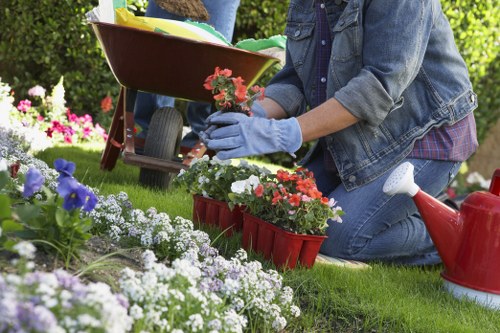 Safety in garden work starts with good preparation. Before any project begins, workers should check the site for possible dangers such as uneven ground, slippery surfaces, hidden objects, nesting wildlife, sharp debris, or unstable structures. Weather conditions also matter, since wet, icy, hot, or windy conditions can increase risk. Where needed, jobs should be delayed or adjusted to keep work safe and manageable.
All staff and contractors must be trained to use tools and equipment correctly. This includes hedge trimmers, mowers, strimmers, chainsaws, and hand tools. Equipment should be inspected before use and taken out of service if faults are found. Blades must be kept sharp and guards in place, and any fuel or power supplies should be handled carefully. Garden health and safety also depends on correct storage, regular maintenance, and responsible use of machinery.
Personal protective equipment should be provided and worn when necessary. Depending on the task, this may include gloves, sturdy footwear, eye protection, hearing protection, high-visibility clothing, or dust masks. Clothing should be suitable for the season and the work being done. Loose clothing and jewellery should be avoided near moving parts, and long hair should be tied back to reduce entanglement risks.
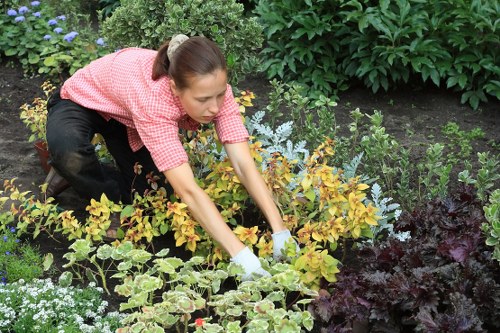 Manual handling is another important part of the policy. Garden work often involves lifting bags of soil, moving pots, carrying tools, and transporting waste. These tasks should be planned to avoid strain or injury. Workers should use correct lifting techniques, seek help for heavy or awkward loads, and use wheelbarrows, trolleys, or other aids where possible. Loads should be split into smaller amounts when practical.
The safe use of chemicals is essential when working with fertilisers, weed control products, and cleaning substances. All products must be stored, labelled, and used according to instructions. Where chemicals are applied, care should be taken to avoid contact with skin, eyes, pets, and planted areas that are not intended to be treated. Empty containers and waste materials should be disposed of safely and in line with site requirements.
Risk assessments should be completed for tasks that involve higher levels of hazard, such as tree work, ladder use, powered cutting equipment, or the removal of large amounts of waste. If a task cannot be completed safely with the available resources, it should not go ahead until the right controls are in place. In some situations, additional supervision or specialist support may be needed to reduce danger.
Working areas should be kept orderly throughout the job. Tools should not be left on paths, hoses should be positioned to avoid tripping, and cuttings or waste should be cleared regularly. This helps protect everyone on site and supports efficient work. Where members of the public or property occupants may be nearby, extra care should be taken to mark hazards and keep them away from active work zones.
 Emergency readiness is part of a strong safety culture. First aid supplies should be available, and workers should know how to respond to cuts, strains, falls, eye injuries, or exposure to harmful substances. Any incident, near miss, or unsafe condition should be reported and reviewed so lessons can be learned. Records should be kept where appropriate to help improve future safety arrangements and prevent repeat issues.
Everyone involved in garden services has a duty to work safely and support others in doing the same. Managers should make sure instructions are clear, equipment is suitable, and workloads are realistic. Workers should follow safe methods, raise concerns promptly, and stop work if conditions become unsafe. Good communication is vital, especially when several people are working on the same site or when tasks change during the day.
 This policy will be reviewed regularly to ensure it remains effective, practical, and up to date with current working practices. Health and safety for gardeners in Church End is not a single task but an ongoing commitment. By applying sensible controls, maintaining training, and encouraging careful working methods, we can create safer garden environments and deliver reliable service with confidence.