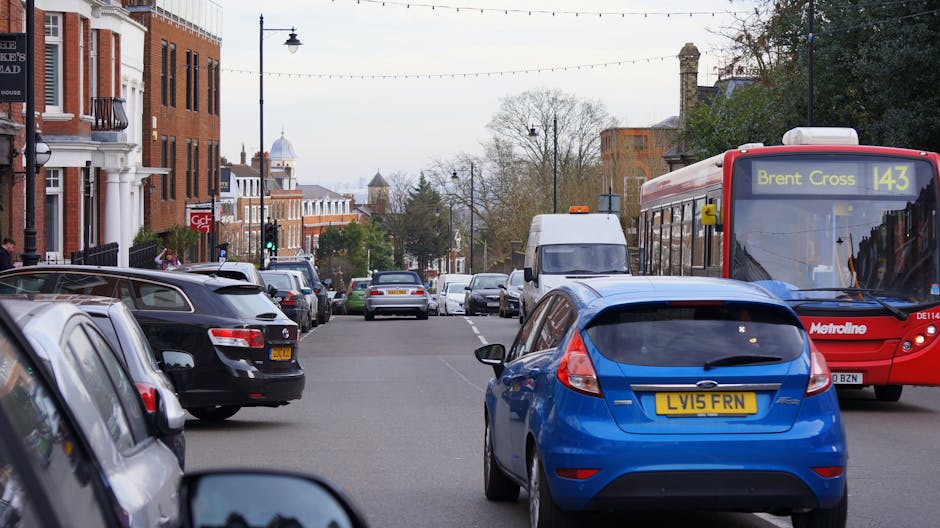
What Church End residents must know about Brent Council green rules
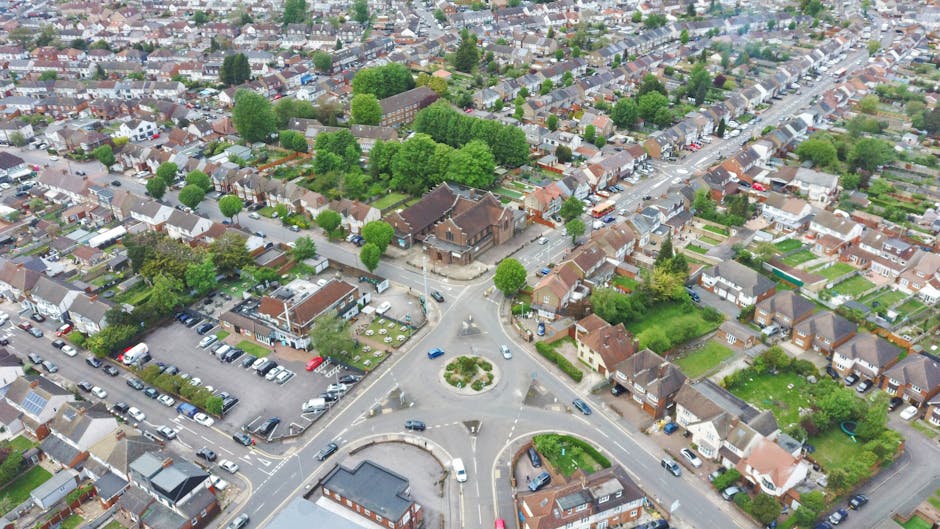
If you live in Church End, the "green rules" can feel a bit like one of those local topics everyone half-knows, until you actually need to move a hedge, cut back a tree, clear a garden, or get rid of a heap of soil on a wet Tuesday afternoon. Then it suddenly matters a lot. What Church End residents must know about Brent Council green rules is really about understanding how local expectations, waste handling, trees, gardens, and environmental responsibilities fit together in everyday life.
This guide breaks it down in plain English. You will learn what the rules mean in practice, where people commonly get caught out, how to stay compliant without making the job harder than it needs to be, and when it makes sense to call in support for heavier garden work. Truth be told, most problems come from small misunderstandings rather than bad intentions.
For homeowners, landlords, tenants, and anyone managing a shared outdoor space in Church End, the point is simple: do the right thing with garden waste and greenery, and you avoid nuisance, fines, damaged plants, neighbour disputes, and messy waste removal headaches. Not glamorous, but very real.
Why Brent Council green rules matter in Church End
In a busy part of north-west London like Church End, gardens are small but precious. A narrow rear garden, a shared boundary, a front hedge, a tree that leans a little too confidently into the light - these are exactly the kinds of spaces where local rules start to matter. The Brent Council approach to green issues is not just about keeping streets tidy. It is about protecting amenity, controlling waste, reducing fly-tipping, and making sure greenery is managed responsibly.
That matters because even a straightforward garden tidy-up can create several separate responsibilities. Green waste may need to be sorted properly. Overgrown hedges may affect pavements or neighbours. Tree work can trigger planning or safety concerns. And if a contractor is removing debris, you want to know where it is going and whether it is being handled in a way that fits local expectations.
There is also the neighbour factor. Let's face it, most local disputes start over something simple: branches dropping leaves, a fence line, bins left out, or clippings blowing across a shared driveway. A little knowledge goes a long way. It makes life easier and a lot less awkward.
Practical takeaway: the green rules are not just paperwork. They shape how you maintain your garden, dispose of waste, and manage trees and hedges without causing preventable problems.
How Brent Council green rules work in practice
There are a few moving parts, and the key is to separate them. Garden maintenance, waste disposal, tree management, and environmental responsibility are related, but they are not the same thing. That distinction saves a lot of confusion.
1. Garden waste and disposal
Grass cuttings, hedge trimmings, small branches, weeds, and soil all count as garden-related waste, but they are not always treated the same way. Some materials are straightforward to collect and remove. Others, like large quantities of soil or mixed rubble, need more careful handling because they are not just "green waste" in the everyday sense.
If you are organising clearance, the best approach is to separate the waste before it leaves the property. Cleaner separation usually means less hassle, fewer delays, and a better chance of recycling where possible. It also reduces the odds of things ending up in the wrong place, which nobody wants.
2. Trees, hedges, and boundary growth
Church End residents often deal with boundary trees and hedges in tight urban plots. If branches overhang a pavement or neighbour's land, you may need to trim them back. But if a tree is protected or has special planning constraints, you should pause and check before starting work. That part is important. Cutting first and asking later is how people get into trouble.
For larger or higher-risk work, services such as tree surgery and tree lopping and removal are often the safer route, especially where access is tight or the tree is near buildings, wires, or shared boundaries.
3. Nuisance, access, and neighbour impact
Brent Council-style green rules are also about what happens beyond your fence line. If overgrowth blocks paths, spills debris into shared spaces, or creates a slipping hazard, the issue stops being purely "your garden". In practical terms, that means a tidy cut and a safe finish matter as much as the work itself.
Short version? You are not just maintaining a garden. You are managing a small part of a living neighbourhood.
4. Responsible contractors and waste handling
If you hire help, it is worth using a provider that takes green waste, safety, and recycling seriously. A service offering proper garden maintenance or garden clearance should be able to explain how waste is separated, removed, and handled. Clear communication matters here. No one likes vague answers when bags and branches are piling up.
Key benefits and practical advantages
Understanding the rules is not about being overly cautious for the sake of it. It gives you practical advantages in day-to-day garden work.
- Less waste confusion: you know what can be removed, what needs sorting, and what may need a different approach.
- Fewer neighbour issues: a well-managed hedge or tree is less likely to cause complaints.
- Safer working conditions: you reduce the chances of accidents from unstable branches, hidden debris, or slippery surfaces.
- Better garden appearance: tidy borders, edged lawns, and managed greenery usually look better for longer.
- Improved recycling potential: properly separated green waste is easier to process responsibly.
- Less risk of avoidable costs: mistakes can mean extra collection work, repeated visits, or a bigger job than expected.
There is another benefit that people underestimate: peace of mind. When you know what is allowed and what is not, you stop second-guessing every snip of the hedge. That saves time, and honestly, a bit of stress too.
Who this is for and when it makes sense
This matters for more people than you might think. Not just large gardens, either.
- Homeowners who want to tidy or redesign their outdoor space without creating waste problems.
- Landlords and letting agents responsible for keeping outdoor areas safe and presentable between tenancies.
- Tenants who need to keep a garden under control without overstepping into protected work.
- Shared property owners dealing with boundary hedges, communal cutbacks, or access issues.
- Older residents who may want help with physically demanding jobs like clearance, mowing, or tree work.
- Busy families who need quick, reliable outdoor upkeep and do not have time for repeat trips to the tip.
It also makes sense if you are planning anything beyond a quick tidy-up. For example, if a simple hedge trim turns into a full seasonal reset, or if you discover a tree stump, a damaged fence panel, or a patchy lawn after clearing debris. That is when a broader service such as gardening services or lawn care can be more efficient than doing everything in fragments.
And yes, it can be worth getting support even for jobs that look small on paper. A half-day job in a compact Church End garden can become a full-day one once you start moving pots, clipping back growth, and sweeping up the bits that seem to multiply. Gardens do that.
Step-by-step guidance
If you want to stay aligned with local green expectations and avoid messy surprises, follow a simple process.
- Inspect the garden carefully. Look for overgrown hedges, dead branches, climbing plants, soil piles, broken fence sections, and waste already lying around.
- Separate materials before starting. Keep green waste apart from general rubbish, rubble, plastics, and anything sharp or contaminated.
- Check for tree or boundary issues. If a tree is large, close to a road, or looks unusual, do not rush. Take a closer look before you cut.
- Decide what can be done safely in-house. Small mowing, light trimming, and sweeping may be fine. Heavy branches and high work are another matter.
- Plan access and storage. In Church End, access can be tight. Work out where waste will be stacked temporarily so it does not block paths or create hazards.
- Choose the right removal method. Some jobs only need a neat collection. Others are better handled through a full clearance visit.
- Finish with a tidy check. Walk the space, looking for nails, thorns, loose cuttings, wet patches, and anything that could be a problem later.
A simple trick: imagine the garden after heavy rain. If the area would become slippery, blocked, or untidy in the rain, it probably needs a better finish now. You will thank yourself later.
Expert tips for better results
These are the small things that make a noticeable difference.
Start from the edges
Edges tell you a lot. A crisp border, trimmed hedge line, and clean path edges make the whole garden feel more controlled, even if the space is modest. If you are doing a full refresh, edging before mowing often gives a cleaner result. Simple, but effective.
Do not overcut living growth
A lot of people trim hedges too hard in one go because they want the result immediately. Fair enough, but overcutting can leave gaps, stress the plant, and create a patchy look that takes ages to recover. It is better to cut a bit, assess, then go again if needed.
Think about recycling from the start
If you are dealing with organic waste, plan for recycling and sustainability early. That is where a service with a clear recycling and sustainability approach can be genuinely useful, especially when there is a mix of green waste and old garden clutter.
Use the right tool for the right job
There is no prize for using the smallest tool possible. A pair of secateurs is fine for soft growth, but not for woody stems that need proper cutting gear. Likewise, a mower is great for grass, but not for hidden roots or stones. Matching the tool to the material is what keeps jobs neat and safe.
Watch the weather
A damp morning can make paths slick and clippings heavier than expected. Hot, dry weather can make debris brittle and dusty. Neither is a disaster, but both affect how the work should be approached.
One more thing: if a job looks like it will need repeat passes, it probably needs a better plan, not more brute force. That is usually where good workmanship shows.
Common mistakes to avoid
Most issues are predictable. That is the annoying part, really.
- Mixing waste types: green waste mixed with rubble, old timber, or household rubbish makes disposal more complicated.
- Assuming every tree can be cut back freely: some trees and situations need extra caution before work begins.
- Leaving cuttings on paths or driveways: this creates trip hazards and often looks sloppier than the job itself.
- Ignoring neighbour boundaries: a hedge trimmed on the wrong side can create friction fast.
- Underestimating the job size: small gardens can produce surprisingly large volumes of waste.
- Skipping safety gear: gloves, eye protection, sturdy footwear, and sensible handling methods are not optional on awkward jobs.
- Forgetting to check access: if a wheelbarrow or waste bags cannot pass through easily, the whole job slows down.
There is also the classic mistake of doing a neat front-facing tidy and leaving the back area looking like a small storm passed through. We have all seen it. From the pavement it looks fine; in the garden, not so much.
Tools, resources and recommendations
You do not need a van full of specialist kit to stay on top of green rules, but a few practical tools help.
- Heavy-duty bags or bins for collected clippings and lighter waste.
- Sharp hand tools for cleaner cuts and less plant damage.
- Gloves and eye protection for thorny, dusty, or woody work.
- A tarp or sheet to keep cuttings together and stop them spreading across the garden.
- Basic measuring and marking tools if you are checking fence lines, border widths, or cut lines.
If the job is bigger, a professional service can save a lot of time. For example, hedge trimming is much more efficient when the cuttings are gathered properly as you go, rather than being left until the end. Likewise, lawn mowing becomes cleaner and easier when the lawn is cleared of branches and debris first.
For outdoor hard surfaces, a tidy finish can be completed with patio cleaning, which helps remove the muddy, leafy residue that often collects after pruning or clearance. It is one of those small jobs that changes the whole feel of the space.
If the garden needs a broader reset, combining clearance with landscape gardening or landscaping can make it easier to keep future growth under control. A smarter layout often means less work later. Always nice when that happens.
Law, compliance, standards, or best practice
Because this topic touches on waste, trees, safety, and neighbour impact, it is best to think in terms of cautious compliance rather than casual guesswork. Local council expectations can change, and individual properties can carry their own constraints. So the safest route is to treat green management as a mix of legal duty, common sense, and good neighbour practice.
In practical terms, that means:
- do not remove or heavily alter a tree if you are unsure whether protection or permission issues apply;
- do not dump garden waste where it could become a nuisance or fly-tipping concern;
- keep pathways, shared access points, and driveways safe and clear during work;
- use competent help for higher-risk tasks;
- make sure waste handling is lawful and traceable where required.
Safety also sits alongside compliance. A job may be environmentally sensible but still unsafe if it involves unstable branches, slippery surfaces, or awkward lifting. That is why it helps to work with providers who take health and safety policy seriously and can explain how they protect both workers and residents. Good practice should not be a mystery.
It is also sensible to understand service terms, pricing, and payment expectations before work begins. For that side of things, the pages on pricing and quotes, payment and security, and terms and conditions can be useful to review so there are no awkward misunderstandings later.
If you are comparing providers, insurance matters too. A contractor working near fences, windows, and tight access points should carry appropriate cover. That is where insurance and safety gives extra reassurance.
Options, methods, or comparison table
Different jobs call for different approaches. Here is a simple comparison to help you decide what fits best.
| Method | Best for | Advantages | Watch-outs |
|---|---|---|---|
| DIY light tidy-up | Small lawns, light hedge trimming, sweeping | Low cost, quick for simple tasks | Can turn messy if waste builds up or tools are limited |
| Targeted garden maintenance | Regular upkeep, repeat cutting, seasonal control | Helps keep growth manageable and predictable | May not handle larger clearance needs alone |
| Full garden clearance | Overgrown spaces, renovation prep, heavy debris | Fast transformation, removes build-up properly | Requires more planning and waste handling |
| Tree surgery or removal | Large, risky, damaged, or awkward trees | Safer for complex work, better for boundary issues | Needs careful assessment before starting |
For many Church End properties, the sweet spot is somewhere between regular upkeep and occasional clearance. Not every garden needs a full overhaul. Some just need steady care and a sensible eye on growth. That is usually enough.
Case study or real-world example
A fairly typical Church End scenario goes like this: a resident notices the rear hedge has grown a little wild over late summer. The lawn is patchy, the patio has leaf stains, and a small tree at the back has started leaning into the light. Nothing dramatic. Just one of those jobs that creeps up on you.
They begin with a plan. First, the hedge is assessed for height, access, and boundary line. Then the lawn is cleared of twigs and debris before mowing. The patio is swept and cleaned so the cuttings do not stick to it. Finally, the tree is checked for anything that needs proper handling rather than a quick chop. In this case, the resident avoids cutting too much too fast, and the garden ends up looking calm again rather than hacked about.
The important lesson is not that the job was huge. It was that the job was handled in the right order. Waste first, access second, cutting third, finish last. Sounds simple, but in real gardens that order saves time and reduces mistakes.
And yes, the neighbour was happier too. That never hurts.
Practical checklist
Use this before you start any garden work connected to Brent Council green expectations.
- Have I identified all waste types in the garden?
- Is any tree, hedge, or boundary growth likely to need extra caution?
- Do I know what can be handled safely without specialist help?
- Have I cleared access routes and protected paths or paving?
- Are tools sharp, suitable, and in safe working order?
- Have I planned where clippings and branches will go?
- Will the final result leave the garden tidy, not just cut?
- Do I need help with clearance, mowing, hedge trimming, or tree work?
- Have I checked for safety, insurance, and waste-handling confidence if hiring a contractor?
- Will the work leave the space easier to maintain next time?
If you can tick most of those off, you are in a good place. If not, slow down a bit. Better to pause than to create extra work for yourself.
Conclusion
What Church End residents must know about Brent Council green rules is less about memorising a rigid handbook and more about understanding the practical basics: keep garden waste separated, treat trees and hedges carefully, respect neighbours and shared spaces, and use safe, sensible methods for bigger jobs. That combination keeps you out of trouble and helps your garden stay usable, tidy, and pleasant to live with.
The real win is not perfection. It is control. When you know how the rules affect everyday garden work, even a small balcony-like back garden or a cramped terrace plot becomes much easier to manage. A little care now saves a lot of hassle later, and that is usually the best kind of home improvement.
If you would like support with maintenance, clearance, hedges, lawns, patios, or tree work, it helps to speak with a team that understands local expectations and can work neatly from the start.
Get a free quote today and see how much you can save.
And if all you do after reading this is sort the green waste properly and trim the overhang by a few careful centimetres, that is still a proper win. Small steps. Better garden. Less stress.
Frequently Asked Questions
What are Brent Council green rules in simple terms?
They are the local expectations around how gardens, trees, hedges, and green waste should be managed in a clean, safe, and responsible way. In practice, that means avoiding nuisance, handling waste properly, and being careful with anything that could affect neighbours or public spaces.
Do I need permission to cut back a tree in Church End?
Not always, but you should never assume. Some trees may be protected or subject to planning constraints. If the tree is large, unusual, near a boundary, or close to buildings, it is sensible to check before doing major work.
Can I put hedge cuttings and grass clippings out with normal rubbish?
Usually, garden waste should be handled separately from general household rubbish. Mixed waste can create disposal problems and may not be accepted in the same way. Keeping organic waste separate is cleaner and more efficient.
What counts as garden waste?
Typical garden waste includes grass clippings, hedge trimmings, branches, weeds, leaves, and some plant material. Soil, rubble, old timber, and broken fixtures may need a different approach, so do not bundle everything together by default.
How do I avoid neighbour complaints about garden work?
Keep clippings off shared boundaries, trim carefully, avoid blocking access, and make sure noisy or messy work is finished tidily. A quick conversation with a neighbour before bigger jobs can also prevent a lot of friction.
Is it better to do garden clearance in one go or in stages?
It depends on the size of the garden and the amount of waste. Small jobs can often be handled in one go, but overgrown spaces may be better tackled in stages so you can sort materials, check access, and reduce mistakes.
What should I do if my hedge is overhanging the pavement?
You should trim it back so it does not block pedestrians or create an obstruction. Keep the work neat and safe, and make sure debris is removed properly. If the hedge is very large, professional help may be the safer option.
When is a tree job too risky for DIY?
If branches are high, thick, unstable, near power lines, close to a structure, or difficult to reach safely, it is usually too risky for a casual DIY attempt. Tree work can become hazardous quickly, so caution is wise.
How do I know if I need garden maintenance rather than full clearance?
If the garden just needs regular cutting, trimming, edging, and general upkeep, maintenance is usually enough. If it is heavily overgrown, full of debris, or difficult to access, clearance is likely the better starting point.
Can patio cleaning help with post-garden work mess?
Yes. After pruning, mowing, or hedge trimming, patios often collect stains, mud, and leaf residue. Cleaning the hard surface afterward makes the whole garden look finished rather than half-done.
What is the safest way to deal with mixed garden waste?
Sort it before removal. Keep green waste separate from broken items, soil, and general rubbish. That makes disposal simpler and reduces the chance of problems later. If the pile is large or awkward, a clearance service is often the easier route.
Where should I start if my garden has got away from me?
Start with the biggest obstruction first: usually the waste pile, the worst overgrowth, or anything blocking access. Then move to mowing, hedge trimming, and final tidying. A sensible order makes a huge difference, honestly.